Best Dumbbell Workouts for Over 50
Strength training over 50 is not only possible; it's essential. It is one of the most important things you can do for your long-term health. Many people in their fifties and beyond worry about soreness, injury, or the idea that it might be too late to start. The National Institute on Aging clearly states that adults can gain strength and muscle at any age through regular resistance training. That means you can begin today and still see real benefits.
Workouts for older adults do not need to be extreme. Low-impact strength training can help improve metabolism, balance, mobility, and bone health. The CDC notes that muscle mass naturally declines with age, but strength training can slow this decline. This gives your body more support, protects your joints, and helps you stay active in daily life. Whether you have trained for years or you are starting weight training for the first time, you can build muscle over 50 with a simple and smart approach.
Focus on Form, Not Ego
One of the biggest mistakes people make at any age is lifting too much weight too soon. When you are fifty or older, form is your best tool for progress. The American College of Sports Medicine recommends controlled movements, a full range of motion, and weights that let you complete each rep with good form.
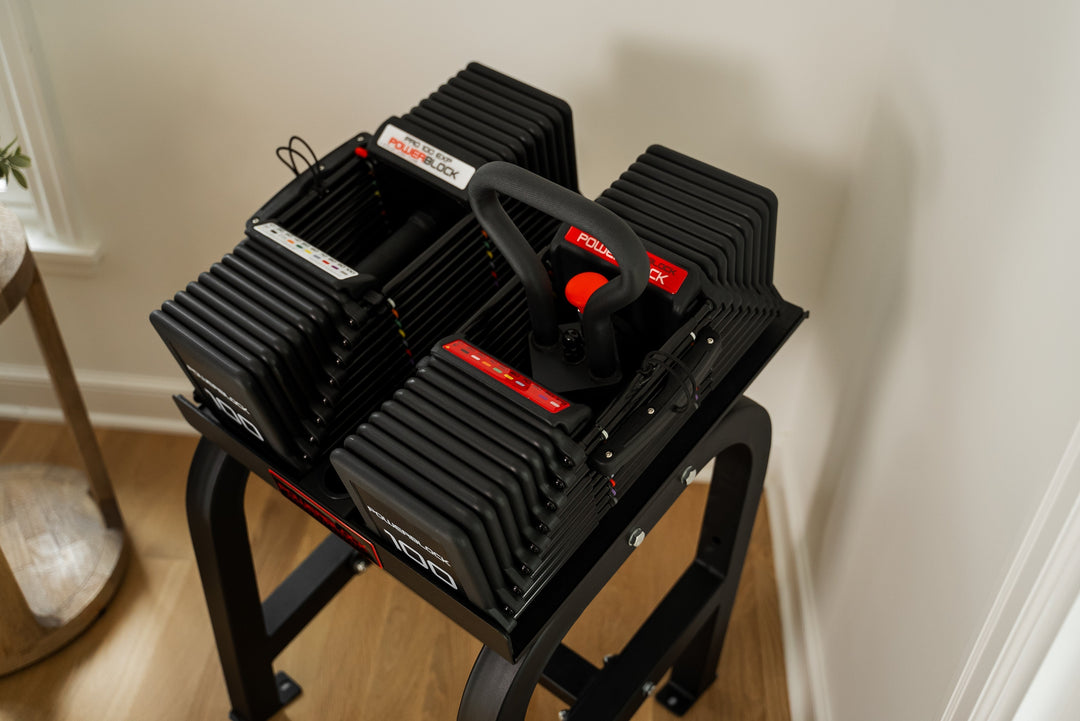
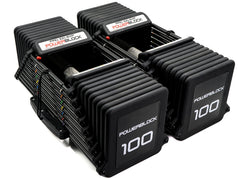
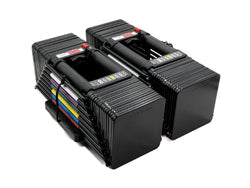
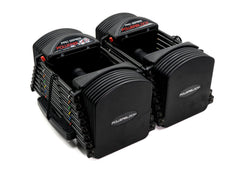
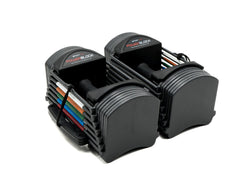
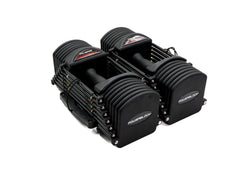
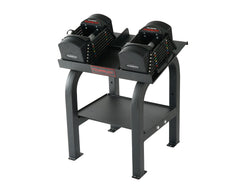
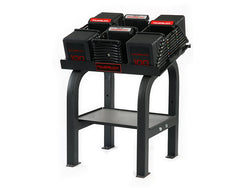
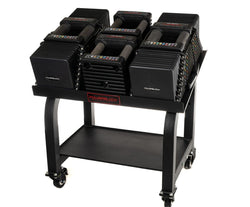
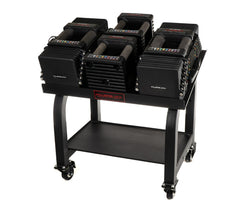
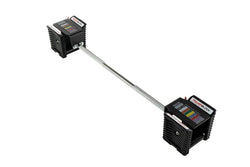
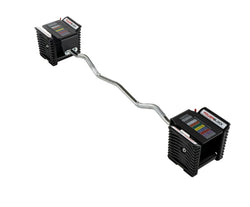
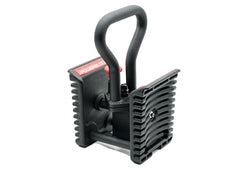
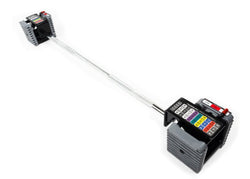
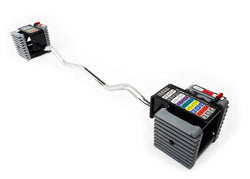
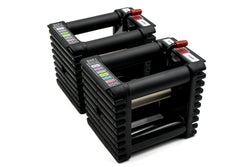
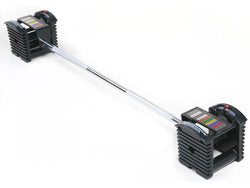
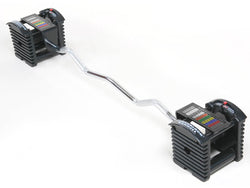
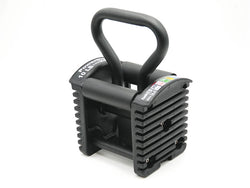
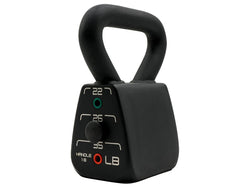
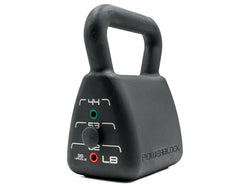
A slower rep tempo gives your muscles more time under tension without stressing your joints. This fits well with PowerBlocks Adjustable Dumbbells because you can use lighter settings or micro-weights adjustments to stay in control. If you ever feel a joint pinch or a sharp pull, lower the weight. Safe dumbbell exercises do not require heavy loads. They require consistency and good mechanics.
Think of each rep as practice. You are teaching your body to move well. With time, this builds strength after 50 without unnecessary strain.
Best Lower Body Dumbbell Moves
Lower body strength supports everything you do. It helps with balance, walking, stairs, and everyday tasks like getting up from a chair. The NIA encourages older adults to strengthen their legs to maintain independence as they age. These joint-friendly exercises are simple and effective.
Dumbbell Goblet Squats
Use a chair behind you for balance or support. Hold a single dumbbell at your chest. Sit back toward the chair, keep your chest tall, and stand up with control. This move trains your quads, glutes, and core. A chair gives you confidence and helps maintain proper depth.

Dumbbell Step Ups
For the dumbbell step-up, use a low platform or stairs. Step up with one foot, stand tall, and step back down. This is a great low-impact strength-training option because it targets each leg individually and improves balance. Keep the dumbbells light at first to focus on smooth steps.

Dumbbell Hip Bridges
Lie on your back with your knees bent. Place a dumbbell across your hips and press through your heels to lift your hips. This strengthens your glutes and hamstrings. These are large muscles that support your lower back and help stabilize the hips.

Each of these movements supports building muscle over 50 without putting unnecessary force on your knees or lower back. Start with lightweight until the motions feel comfortable.
Best Upper Body Dumbbell Moves
Upper body strength matters for daily life tasks like carrying groceries, pushing doors, lifting items overhead, and maintaining good posture. The CDC notes that strengthening upper body muscles also helps support shoulder function as you age.
Seated Overhead Press
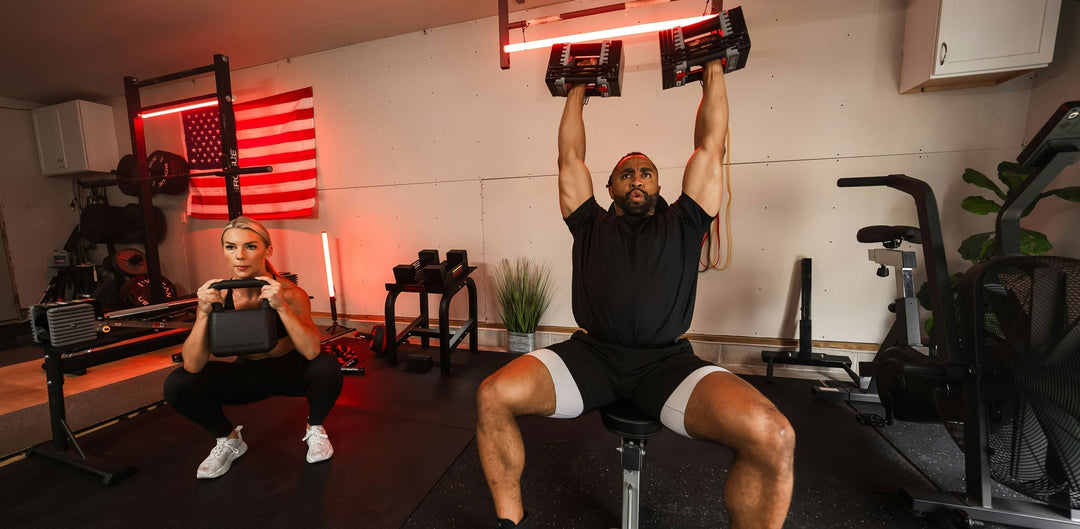
Sit with back support to keep your spine stable. Use a weight that allows you to press overhead without leaning. This helps strengthen your shoulders and upper back. A neutral wrist and slow movement make this more joint-friendly.

Neutral Grip Chest Press
Lie on a bench or the floor. Hold your adjustable dumbbells with your palms facing each other. This grip reduces strain on the shoulder joint while still targeting your chest, triceps, and the front portion of your shoulders. Press the weights up and lower them with full control.

Dumbbell Rows with Elbows Close
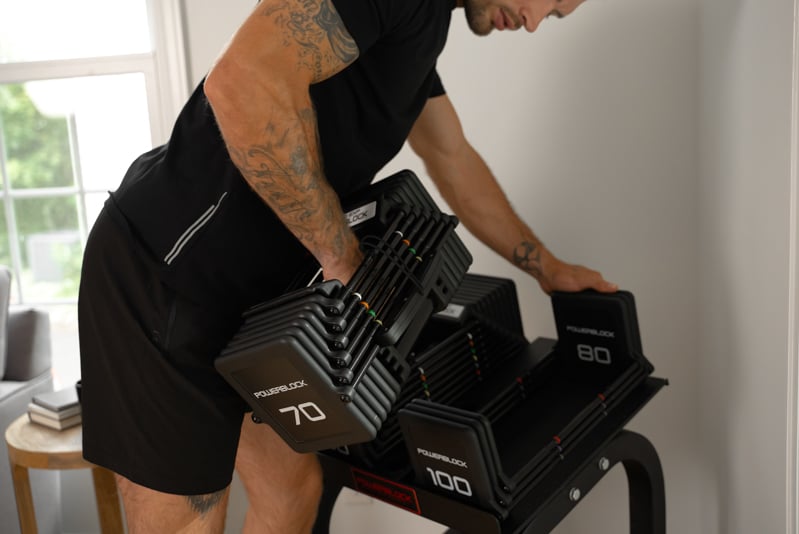
Support one hand on a bench or chair. As you row the dumbbell up, keep your elbow close to your side. This form strengthens your upper back while keeping your shoulders in a comfortable position. Slow reps help maintain good alignment.

These safe dumbbell exercises help improve posture and make daily tasks easier. They also support joint health when performed with attention to form and breathing.
Core and Stability Builders
A strong core helps protect your spine, improves balance, and supports smooth movement. The NIA encourages older adults to train core muscles because they help prevent falls and support everyday tasks. For these movements, use a slow, lightweight tempo for safety.
Dumbbell Deadbugs
Lie on your back with your arms straight over your chest. Hold a light dumbbell with both hands. Lower the opposite arm and leg toward the floor, then return to the start. Keep your lower back gently pressed to the ground. This trains deep core muscles that support your spine.

Seated Russian Twists
Sit with your feet planted and hold a light dumbbell. Rotate your torso from side to side with small, controlled movements. Avoid fast or large twists. Even a small range of motion strengthens the obliques and improves stability.

Farmer’s Carry
Hold dumbbells at your sides and walk slowly. Keep your body upright and your steps steady. This improves grip strength, balance, and core stability. It is a simple but powerful addition to workouts for older adults because it trains real-world strength.
These core exercises help you control your body and stay steady during daily activities.
Lifting for Mobility
Strength training over 50 is not only about lifting weights. It is also about moving well. Training through a full range of motion helps maintain joint flexibility. The National Institute on Aging recommends including stretching and mobility work to support healthy movement as you age.
Light mobility-friendly exercises can be paired with adjustable dumbbells.
Dumbbell Halos
Use a very lightweight. Hold the dumbbell at your chest and slowly circle it around your head. Move gently and keep your neck relaxed. This helps improve shoulder mobility.

Dumbbell Windmills
Stand with one weight overhead and slide the other hand down your leg as you hinge at the hip. This helps with balance, shoulder stability, and core control. Use a very lightweight until you feel steady.

Strength and Stretch Pairing
After each workout, add gentle stretches. Common options include seated hamstring stretches, chest stretches against a wall, or side bends. The NIA notes that stretching can help maintain mobility when paired with regular strengthening.
This combination helps your body move smoothly while supporting building strength after 50.
Weekly Full Body Split Plan
Here is a simple weekly structure based on general CDC and ACSM guidelines, which state that adults should perform muscle-strengthening activities at least twice per week. Many adults over 50 benefit from a three-day routine so they can train with enough frequency while allowing for recovery.
This template is not a medical program. It is a general example to show how you can organize low-impact strength training with a full-body approach.
Example 3 Day Routine
|
Day 1 |
Sets |
Reps |
Rest |
|
Goblet Squats |
3 |
8-10 |
60-90 Seconds |
|
Seated Overhead Press |
3 |
8-10 |
60-90 seconds |
|
Dumbbell Rows |
3 |
8-10 (Per Arm) |
60-90 seconds |
|
Dumbbell Deadbugs |
3 |
8-10 |
60-90 |
|
Day 2 |
Sets |
Reps |
Rest |
|
Step Ups |
3 |
8-10 (Per Leg) |
60-90 Seconds |
|
Neutral Grip Chest Press |
3 |
8-10 |
60-90 seconds |
|
Farmers Carry |
3 |
10-20 Steps |
60-90 seconds |
|
Dumbbell deadbugs |
3 |
8-10 |
60-90 |
|
Day 3 |
Sets |
Reps |
Rest |
|
Hip Bridges |
3 |
8-10 |
60-90 Seconds |
|
Light Dumbbell Halos |
3 |
8-10 |
60-90 seconds |
|
Windmills |
3 |
8-10 (Per Arm) |
60-90 seconds |
|
Optional Light Walk |
3 |
8-10 |
60-90 |
Rest and Light Activity
Take rest days between lifting sessions or go for light walks. Walking supports heart health and recovery. Many adults report less stiffness when they stay lightly active on their off days.
Consistency Wins
The most important part of building muscle over 50 is not intensity. It is consistency. You do not need heavy weights or long workouts. A steady routine with safe dumbbell exercises will help your muscles adapt, strengthen your joints, and support long-term health.
Strength training over 50 is not about chasing big numbers. It is about helping your body feel strong, steady, and capable for years to come. With adjustable dumbbells, joint-friendly exercises, and a routine built around control, you can train safely and effectively at any age.