

One of the most common questions people ask when starting strength training is: Are free weights better than machines?
Walk into any gym, and you’ll see both. Some people swear by dumbbells and barbells. Others stick almost entirely to machines. The truth is, this isn’t a battle with one clear winner.
Understanding how each tool works can help you train smarter, avoid injury, and get better results, whether you’re working out in a commercial gym or have a home gym set up.

Do Free Weights or Machines Build More Muscle?
The biggest surprise for many lifters is that both free weights and machines can build muscle equally well.
Research comparing machine exercises and free-weight movements shows similar muscle growth when total training effort and volume are matched.
For example, a controlled study published in the Journal of Strength and Conditioning Research found that participants gained comparable muscle size using machine-based training and free-weight programs when intensity and workload were similar.
What matters most is not the equipment…it’s the effort.
Muscles grow when they experience:
-
Progressive overload (gradually increasing challenge)
-
Consistent training
-
Sufficient recovery and nutrition
Another important concept is exercise specificity.
You get stronger at what you practice:
-
Train with machines you improve machine strength.
-
Train with free weights you improve free-weight strength.
So if your goal includes real-world strength or home workouts, performing free-weight movements becomes especially valuable. The need to stabilize and control the weight in a home setting often translates to a more intense, high-effort workout.
Muscle Activation and Functional Training
While muscle growth can be similar, how muscles work during exercises differs between machines and free weights.
Free Weights
Free weights require your body to stabilize the load in space.
That means more involvement from:
-
Core muscles
-
Shoulder stabilizers
-
Smaller supporting muscles
Electromyography (EMG) studies, using electrodes to see the electrical activity produced by muscles when they contract, show higher stabilizer muscle activation during many dumbbell exercises compared to machine versions.
This often translates to:
-
Better coordination
-
Improved balance
-
Strength that carries over to daily activities
Machines
Machines guide the movement path for you.
Benefits include:
-
Consistent resistance throughout the exercise
-
Easier muscle isolation
-
Less need for balance or coordination
-
Less strain on an injured joint or muscle group
Machines can be excellent for targeting a specific muscle or training safely near fatigue.

Safety and Injury Risk
Safety depends less on the equipment and more on how it’s used. Form and understanding your strength levels still play a vital role in safety and reducing the risk of injury.
Why Machines Feel Safer
Machines are often beginner-friendly because:
-
Movement paths are controlled
-
Setup is simple
-
You can train hard without needing a spotter
For someone brand new to lifting, this reduces the chance of major technique errors.
Free Weight Considerations
Free weights demand more control and body awareness. Poor form or lifting too heavy too soon can increase injury risk.
However, properly coached resistance training, free weights included, has a very low injury rate overall.
Important Reminder
Machines are not risk-free. Incorrect seat positioning, poor posture, or excessive load can still cause joint and muscle strain. Good technique matters more than equipment choice.

What’s Better for Beginners vs. Advanced Lifters?
Beginners
New lifters often benefit from using both tools.
Machines help beginners:
-
Learn how muscles feel when working
-
Build initial confidence
-
Train safely while learning basics
Free weights help beginners:
-
Develop coordination
-
Improve balance
-
Build full-body strength patterns early
A combination approach works best.
Advanced Lifters
Experienced lifters rarely choose only one method.
Many successful programs combine:
-
Free weights for compound movements
-
Machines for isolation work or added training volume
Using both allows athletes to challenge muscles from multiple angles while managing fatigue and joint stress.
Space, Cost, and Home Gym Considerations
Equipment choice becomes very different outside a commercial gym.
Machines at Home
Most strength machines:
-
Take up significant space
-
Perform only one or two movements
-
Requires a large financial investment
For most home setups, this isn’t practical.
Free Weights at Home
Free weights offer far greater versatility.
A single set of adjustable dumbbells can replace an entire rack of equipment by allowing exercises like:
-
Squats
-
Presses
-
Rows
-
Lunges
-
Deadlifts
-
Core training
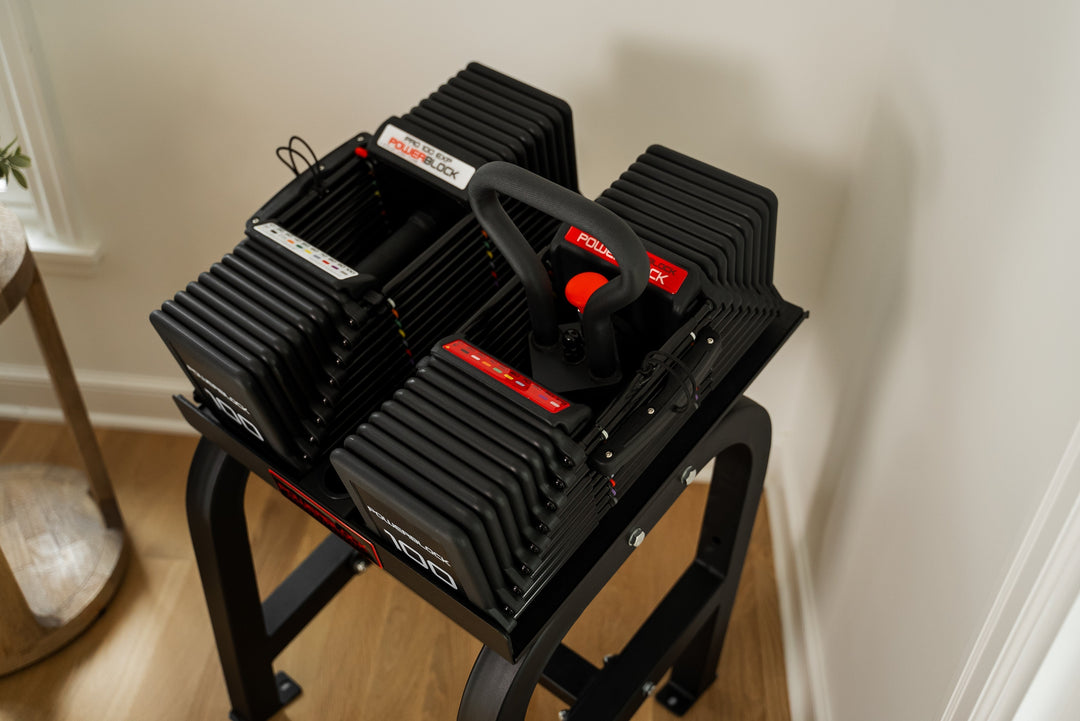
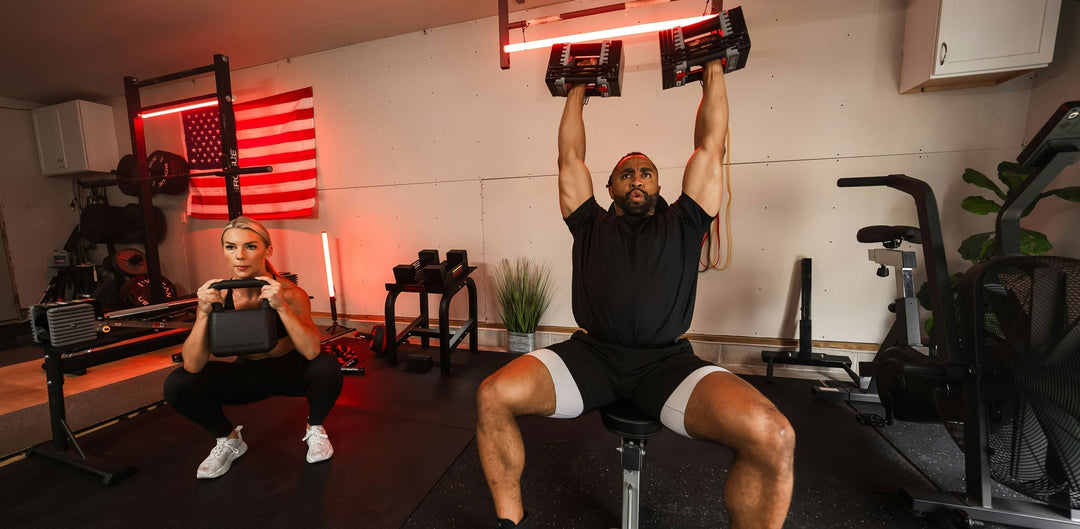
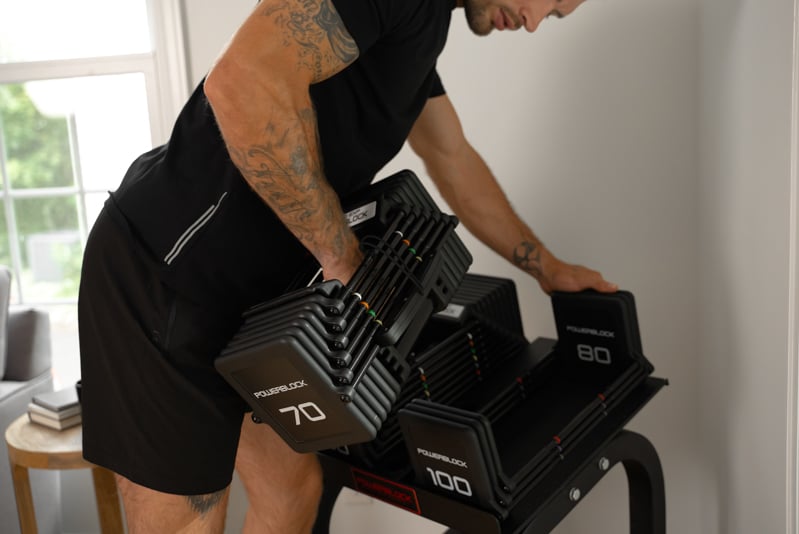
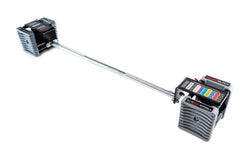
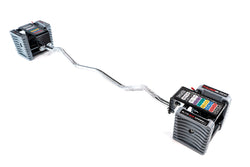
Adjustable systems such as PowerBlock's Adjustable Dumbbells are designed specifically for home training, providing multiple weight options while occupying minimal floor space. That’s not all, though; unlike other adjustable weight equipment brands, PowerBlock designed its barbell attachments and kettlebell handles to work with the PowerBlock Dumbbells you already have. Giving you the ability to use compound and more movements in your training.
This makes progressive strength training possible even in apartments, spare rooms, or small workout areas.

Final Verdict: Which Should You Choose?
The honest answer: You don’t need to choose between free weights and machines. Both build muscle. Both improve strength. Both can be safe and effective.
Choose based on your situation:
-
New to lifting? Use both while learning techniques.
-
Training in a gym? Combine machines and free weights.
-
Building a home gym? Free weights typically offer the greatest value and versatility.
The best program isn’t defined by equipment; it’s defined by consistency. Train regularly. Progress gradually. Use the tools available to you. That’s what leads to long-term strength and results.