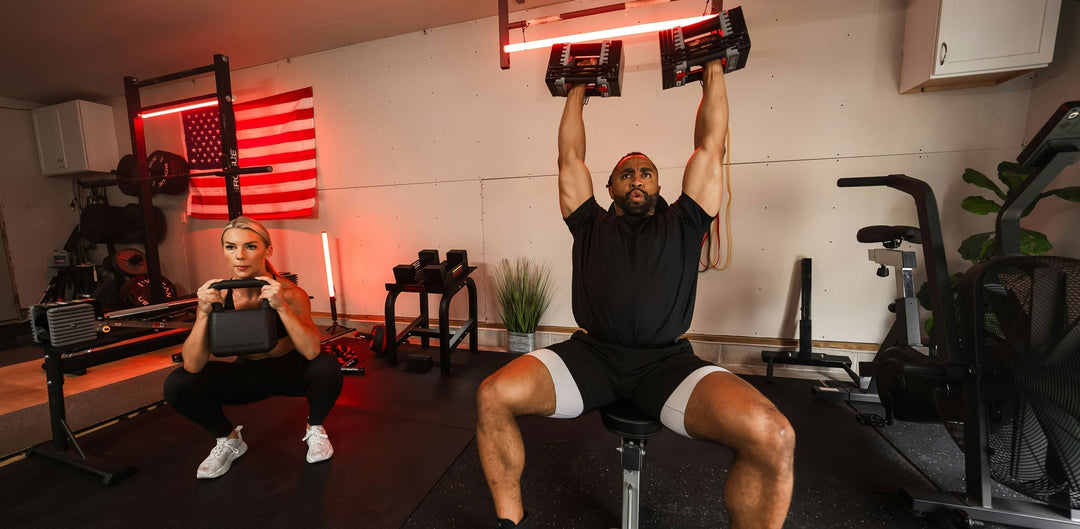
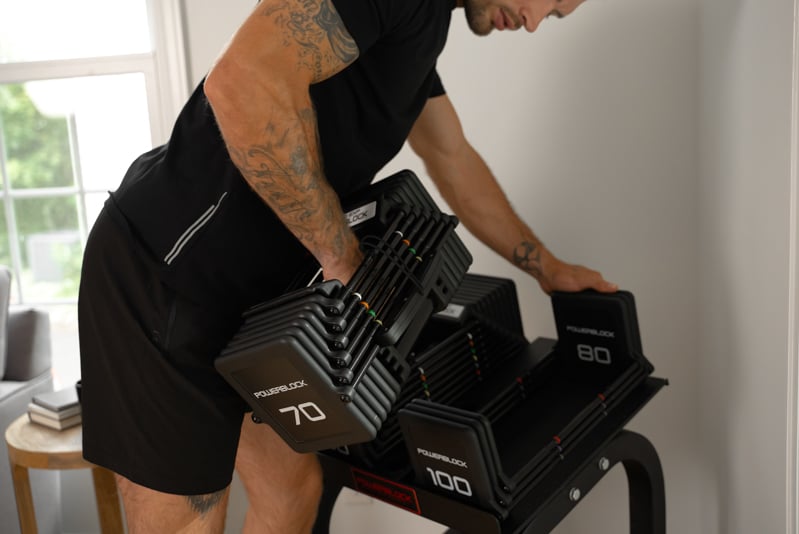
Das Training zur Leistungssteigerung im Sport ist ein Ziel, das wir alle anstreben, selbst wenn wir als Erwachsene nur in einer Freizeitliga spielen. Vielleicht haben Sie schon Profisportler wie LeBron James, Steph Curry oder Patrick Mahomes mit unseren professionellen, verstellbaren Hanteln trainieren sehen. Unsere Modelle für zu Hause sind nach demselben Prinzip konstruiert, sodass Sie wie Ihre Lieblingssportler trainieren können. Ziel aller Athleten ist Explosivität und Kraft – und genau hier setzen diese Übungen für Ihr Training an.
Profisportler und Bewegungen, die von ihrem Sport inspiriert wurden
In jeder Sportart gibt es grundlegende Übungen, die Kraft und Schnellkraft aufbauen. Dazu gehören beispielsweise Kniebeugen, Kreuzheben, Umsetzen und Bankdrücken. Darüber hinaus gibt es spezielle Übungen, die Athleten ausführen, um ihre Leistung zu maximieren.
Diese Bewegungen sind rein theoretisch und gehören möglicherweise nicht zum Trainingsprogramm einiger dieser Profis, aber wir wissen, dass sie für die jeweilige Sportart jedes Athleten von Vorteil sind und seine Leistung verbessern können.
LeBron James inspirierte Hantelübungen
LeBron James ist, falls Sie es noch nicht wussten, einer der besten, wenn nicht sogar der beste Spieler der NBA. Sein Training hat ihm 23 Saisons in der Liga ermöglicht. Wir vermuten, dass er Goblet Squats und Ausfallschritte macht, um seine Explosivität zu maximieren.
Goblet Squat
Goblet Squats sind eine hervorragende Übung für jeden, besonders aber für größere Personen und Sportler. Im Gegensatz zu Kniebeugen mit der Langhantel auf der Kniebank, bei denen sich der Schwerpunkt verlagert und die Knie möglicherweise nicht vollständig gebeugt werden können, ist dies bei Goblet Squats möglich. Um mehr Kraft zu entwickeln, können Sie während jeder Wiederholung einen kurzen Puls einbauen.
So führen Sie einen Goblet Squat Pulse durch
1. Nehmen Sie Ihre Ausgangsposition ein und halten Sie das Gewicht.
Stellen Sie sich mit schulterbreit auseinander stehenden Füßen und leicht nach außen gedrehten Zehen hin. Halten Sie eine Hantel oder Kettlebell mit beiden Händen nah vor Ihrer Brust, die Ellbogen dabei eng am Körper.
2. Gehen Sie in die Hocke.
Setzen Sie Ihre Hüfte nach hinten und unten, bis Ihre Oberschenkel etwa parallel zum Boden sind (oder so tief, wie es Ihre Beweglichkeit zulässt). Halten Sie Ihre Brust aufrecht, Ihre Bauchmuskeln angespannt und die Fersen fest auf dem Boden.
3. Am Boden pulsieren lassen.
In der unteren Position angekommen, führen Sie kleine, kontrollierte Auf- und Abwärtsbewegungen von nur wenigen Zentimetern aus, während Sie die Spannung in Beinen und Gesäßmuskulatur beibehalten. Nach einer solchen Bewegung drücken Sie sich über die Fersen wieder in den Stand.

Ausfallschritte im Wechsel
Ausfallschritte sind eine weitere hervorragende Übung, um die Beinkraft zu steigern und gleichzeitig die Knie zu stärken. Bindegewebe wie Sehnen und Bänder müssen, genau wie unsere Muskeln, gestärkt werden. Ausfallschritte unterstützen diesen Prozess und tragen dazu bei, die Knie stark und gesund zu halten – und damit auch Sportler wie LeBron auf dem Spielfeld fit zu halten.
So führen Sie einen alternierenden Ausfallschritt durch
1. Nehmen Sie eine aufrechte Stehposition ein.
Stellen Sie sich mit hüftbreit auseinander stehenden Füßen hin, spannen Sie die Rumpfmuskulatur an und lassen Sie die Schultern locker.
2. Machen Sie einen Ausfallschritt.
Machen Sie mit einem Bein einen Schritt nach vorn und senken Sie es ab, bis sich beide Knie beugen – das vordere Knie über dem Knöchel, das hintere Knie Richtung Boden.
3. Wechseln Sie die Seiten
Drücken Sie sich mit der vorderen Ferse ab, um wieder in den Stand zu kommen, machen Sie dann sofort mit dem anderen Bein einen Schritt nach vorn und wiederholen Sie die Übung, indem Sie fließend von einer Seite zur anderen wechseln.

Von Cristiano Ronaldo inspirierte Kettlebell-Übungen
Der weltberühmte Fußballspieler Cristiano Ronaldo zählt zweifellos zu den besten Fußballern aller Zeiten. Die beiden folgenden Übungen stärken die hintere Muskelkette (unterer Rücken, Gesäßmuskeln und Oberschenkelrückseite) sowie die Rumpfmuskulatur – beides ist für eine lange Karriere in diesem Sport unerlässlich.
Kettlebell Swings
Kettlebell-Swings sind eine Standardübung zum Aufbau der hinteren Muskelkette. Im Fußball helfen sie Spielern, Verletzungen der Oberschenkelmuskulatur vorzubeugen und mehr Kraft beim Schießen und Laufen zu entwickeln.
So führt man einen Kettlebell-Swing aus
1. Nimm deine Haltung und deinen Griff ein.
Stellen Sie sich mit etwas mehr als hüftbreit auseinander stehenden Füßen hin, die Zehen zeigen nach vorn. Platzieren Sie die Kettlebell etwa 30 cm vor sich, beugen Sie sich aus der Hüfte vor (keine Kniebeuge!) und greifen Sie den Griff mit beiden Händen, während Sie den Rücken gerade halten.
2. Wandern und Autofahren
Ziehen Sie die Kettlebell zwischen Ihren Beinen nach hinten, als würden Sie einen Football hochwerfen, und schnellen Sie dann Ihre Hüfte kraftvoll nach vorn. Lassen Sie die Hüfte, nicht Ihre Arme, die Kettlebell bis etwa auf Brusthöhe anheben.
3. Kontrolliere den Abschwung und wiederhole ihn.
Während die Kettlebell wieder nach unten schwingt, beuge deine Hüfte erneut und lasse sie hoch zwischen deinen Oberschenkeln hindurchgleiten. Behalte die Kontrolle und den Rhythmus bei, während du fließend in die nächste Wiederholung übergehst.

Russische Twists
Russian Twists sind eine hervorragende Übung, um Rumpfstabilität und Kraft aufzubauen. Durch das Training zweier Bauchmuskelgruppen – der schrägen Bauchmuskeln und des querverlaufenden Bauchmuskels – entwickeln Sportler mehr Rotationskraft und verbessern so ihre Tritte und Richtungswechsel.
So tanzt man einen russischen Twist
1. Legen Sie Ihre Ausgangsposition fest
Setzen Sie sich mit angewinkelten Knien und aufgestellten Fersen auf den Boden (heben Sie die Fersen an, wenn Sie Ihre Rumpfmuskulatur noch stärker beanspruchen möchten). Lehnen Sie sich leicht zurück, um Ihre Rumpfmuskulatur anzuspannen, während Sie die Wirbelsäule lang und die Brust aufrecht halten.
2. Positionieren Sie Ihre Arme
Halten Sie Ihre Hände vor sich zusammen oder greifen Sie nach Belieben nach einem Gewicht. Halten Sie Ihre Ellbogen leicht gebeugt und Ihre Rumpfmuskulatur angespannt.
3. Gezielt drehen.
Drehe deinen Oberkörper zur Seite und bringe deine Hände neben deine Hüften. Kehre zur Mitte zurück und drehe dich dann zur anderen Seite. Führe die Bewegung langsam aus und halte deine Hüften ruhig, während sich dein Oberkörper dreht.

Von Serena Williams inspirierte Hantelübungen
Wie die anderen Spielerinnen auf unserer Liste ist Serena Williams die beste Tennisspielerin der Welt. Ihre starke Ober- und Unterkörpermuskulatur hat ihr den Spitzenplatz gesichert. Wir gehen davon aus, dass die beiden folgenden Übungen fester Bestandteil ihres Profi-Trainingsprogramms sind.
Arnold Press
Die Arnold Press ist eine hervorragende Übung, da sie nicht nur die Schulterkraft, sondern auch die Schulterbeweglichkeit trainiert. Bewegliche und kräftige Schultern sind ein Schlüsselaspekt für jedes Tennisspiel.
So führst du die Arnold Press aus
1. Beginnen Sie in sitzender oder stehender Position.
Halten Sie zwei Kurzhanteln auf Brusthöhe, die Handflächen zeigen zum Körper, die Ellbogen sind gebeugt. Spannen Sie Ihre Rumpfmuskulatur an und entspannen Sie Ihre Schultern.
2. Drehen Sie beim Drücken.
Drücken Sie die Gewichte nach oben und drehen Sie gleichzeitig Ihre Handflächen nach vorne, während sich die Hanteln nach oben bewegen.
3. Unter Kontrolle senken.
Senken Sie die Hanteln wieder ab, während Sie die Rotation umkehren, und bringen Sie Ihre Handflächen wieder in Brusthöhe zum Körper, bevor Sie die nächste Wiederholung beginnen.

Seitlicher Ausfallschritt
Der seitliche Ausfallschritt trainiert die Innenseiten der Oberschenkel und fördert die Explosivkraft der Beine. Beim Tennis ist es wichtig, sich seitlich bewegen zu können, um den Ball des Gegners zu erreichen. Diese Bewegung hilft dir, im Match explosiver und kraftvoller zu sein.
So führst du den seitlichen Ausfallschritt aus
1. Beginnen Sie aufrecht mit geschlossenen Füßen.
Stehen Sie aufrecht mit geschlossenen Füßen, angespannter Rumpfmuskulatur und angehobener Brust.
2. Treten Sie zur Seite.
Mache einen weiten Schritt zur Seite, beuge das Knie und schiebe die Hüfte nach hinten, während du das andere Bein gestreckt hältst. Die Zehenspitzen bleiben nach vorn gerichtet und das Gewicht ruht auf der Ferse des Standbeins.
3. Fahren Sie zurück zum Zentrum
Drücken Sie sich mit dem gebeugten Bein nach oben, um in die Ausgangsposition zurückzukehren, und wiederholen Sie den Vorgang auf der anderen Seite.

Von Tom Brady inspirierte Hantelübungen
Tom Brady, der wohl größte Quarterback aller Zeiten, blickt auf eine lange und erfolgreiche Karriere zurück. Dies verdankte er einer Kombination aus Kraft- und Beweglichkeitstraining. Der Fokus auf seinen Bewegungsradius, anstatt auf das maximal bewegbare Gewicht, hielt ihn an der Spitze.
Kurzhantel-Bankdrücken
Das Kurzhantel-Bankdrücken ist eine grundlegende Übung im Athletiktraining. Es trägt zur allgemeinen Oberkörperkraft bei und fördert die Gesundheit der Schultergelenke. Dies ist besonders vorteilhaft für Sportler, die Wurfbewegungen ausführen, da es hilft, die Schulterkraft und -beweglichkeit zu erhalten.
So führen Sie das Kurzhantel-Bankdrücken aus
1. Auf der Werkbank aufbauen.
Legen Sie sich mit je einer Hantel in jeder Hand auf eine flache Bank, die Handflächen zeigen nach vorn. Die Füße bleiben fest auf dem Boden, die Bauchmuskeln sind angespannt und die Schulterblätter leicht zusammengezogen.
2. Drücken Sie die Hanteln nach oben
Drücken Sie die Hanteln gerade nach oben, bis Ihre Arme vollständig gestreckt sind. Führen Sie die Bewegung kontrolliert aus und vermeiden Sie es, die Ellbogen gewaltsam durchzudrücken.
3. Unter Kontrolle senken.
Senken Sie die Hanteln langsam wieder auf Brusthöhe ab, wobei Ihre Ellbogen einen Winkel von etwa 45 Grad zu Ihrem Oberkörper bilden, und wiederholen Sie die Übung.

Kurzhantelrudern vorgebeugt
Das vorgebeugte Kurzhantelrudern ist besonders nach dem Bankdrücken vorteilhaft für Wurfsportler, da es die Brustmuskulatur öffnet. Eine zu starke Anspannung der Brustmuskulatur kann zu einer Rundung der Schultern führen. Die umgekehrte Bewegung zwingt die Brust zur Öffnung und Dehnung und ermöglicht so einen größeren Bewegungsradius beim Wurf.
So führst du das vorgebeugte Kurzhantelrudern aus
1. Stellen Sie die Scharnierposition ein.
Stellen Sie sich hüftbreit hin, halten Sie die Hanteln und beugen Sie sich aus der Hüfte nach vorn, während Sie den Rücken gerade und die Bauchmuskeln anspannen. Lassen Sie die Gewichte mit vollständig gestreckten Armen senkrecht nach unten hängen.
2. Ziehen Sie es in Richtung Ihres Oberkörpers.
Ziehen Sie die Kurzhanteln nach oben, indem Sie die Ellbogen nach hinten ziehen und nah am Körper halten. Ziehen Sie die Schulterblätter am höchsten Punkt zusammen.
3. Unter Kontrolle senken.
Strecken Sie Ihre Arme langsam wieder in die Ausgangsposition zurück, ohne dabei den Rücken zu runden, und wiederholen Sie die Übung, während Sie die Beugehaltung beibehalten.

Simone Biles inspirierte Hantelübungen
Die siebenfache Goldmedaillengewinnerin im Turnen, Simone Biles, nutzt ihre Beine, um sich bei den meisten ihrer akrobatischen Übungen vorwärts zu bewegen. Gezieltes Training der Oberschenkel- und Gesäßmuskulatur hat ihr geholfen, bei ihren Bodenübungen explosiver zu werden.
Jump Squats
Gewichtete Sprungkniebeugen sind eine hervorragende Übung, um die Beinmuskulatur zu stärken und explosive Kraft zu entwickeln. Dadurch verbessern sich Beschleunigung, Sprungkraft und Sprintfähigkeit. Zudem erhöhen sie die Herzfrequenz und beanspruchen den gesamten Körper, was die Herz-Kreislauf-Fitness steigert und den Kalorienverbrauch erhöht.
So führst du eine Kurzhantel-Sprungkniebeuge aus
1. Nimm deine Haltung und deinen Griff ein.
Stellen Sie sich mit schulterbreit auseinander stehenden Füßen hin, halten Sie in jeder Hand eine Hantel seitlich am Körper, die Arme sind gestreckt und die Rumpfmuskulatur angespannt.
2. Gehen Sie in die Hocke.
Setzen Sie sich mit dem Becken nach hinten und unten, bis Ihre Oberschenkel mindestens parallel zum Boden sind. Halten Sie dabei Ihre Brust angehoben und die Hanteln hängen natürlich an Ihren Seiten.
3. Explodieren Sie nach oben
Drück dich mit den Füßen ab, um senkrecht nach oben zu springen, und halte die Hanteln dabei kontrolliert und nah am Körper. Lande sanft mit gebeugten Knien und mach direkt mit der nächsten Wiederholung weiter.
Step-Ups
Step-ups sind eine Übung, die gezielt die Gesäßmuskulatur trainiert und die Explosivkraft fördert, indem sie den Muskel über seinen gesamten Bewegungsradius beansprucht. Da es sich um eine einbeinige Übung handelt, können muskuläre Dysbalancen ausgeglichen und die Kraft gleichmäßig gesteigert werden, was zu einer besseren sportlichen Leistung führt.
So führt man Step-Ups durch
1. Legen Sie Ihre Ausgangsposition fest
Stellen Sie sich aufrecht vor eine stabile Bank oder Kiste, die Füße hüftbreit auseinander, und spannen Sie die Rumpfmuskulatur an.
2. Betreten Sie den Bahnsteig
Stellen Sie einen Fuß vollständig auf die Bank und drücken Sie sich mit der Ferse ab, um Ihren Körper anzuheben, während Sie den anderen Fuß nachziehen, ohne sich dabei nach vorne zu lehnen.
3. Treten Sie wieder hinunter
Senken Sie sich kontrolliert ab, indem Sie mit demselben Fuß nachsetzen, und wiederholen Sie dies, bis die gewünschte Anzahl an Wiederholungen erreicht ist. Wechseln Sie dann das Bein.
Patrick Mahomes inspirierte Hantelübungen
Patrick Mahomes zählt mittlerweile zu den besten, wenn nicht sogar zum besten Quarterback der Liga. Sein Training ist entscheidend für seine Leistung auf dem Spielfeld. Sein Fokus ähnelt dem von Tom: Gesundheit und Beweglichkeit der Schulter, jedoch ergänzt durch eine andere Übung zur Stärkung der Rumpfmuskulatur.
Hantel Y-Raise
Das Y-Raise mit Kurzhanteln fördert die Schultergesundheit, indem es die stabilisierenden Muskeln des oberen Rückens und der Rotatorenmanschette stärkt. Dies verbessert die Kontrolle des Schulterblatts und reduziert die Belastung des Schultergelenks. Für Athleten, deren Hauptaugenmerk auf dem Werfen liegt, hilft diese Übung, eine Wurftechnik mit hoher Geschwindigkeit zu entwickeln und gleichzeitig die Schulterstabilität und -kontrolle zu verbessern.
So führen Sie ein Y-Heben mit Kurzhanteln durch
1. Stellen Sie die Scharnierposition ein.
Stellen Sie sich mit hüftbreit auseinander stehenden Füßen hin, halten Sie leichte Hanteln und beugen Sie sich mit geradem Rücken und hängenden Armen aus der Hüfte nach vorne.
2. Zu einem „Y“ anheben
Heben Sie die Arme in einem Winkel von etwa 45 Grad nach oben und außen, sodass Ihr Körper eine Y-Form bildet. Halten Sie dabei die Daumen nach oben gerichtet und die Rumpfmuskulatur angespannt.
3. Unter Kontrolle senken.
Bringen Sie die Hanteln langsam wieder in die Ausgangsposition zurück, ohne dabei den Rücken zu runden, und wiederholen Sie die Übung dann mit gleichmäßigen, kontrollierten Wiederholungen.
Bauern tragen
Der Farmer's Walk ist eine ultimative Ganzkörperübung, die Griffkraft, Rumpfmuskulatur und Beinmuskulatur trainiert. Diese Übung erfordert schnelle Fußbewegungen und unterstützt Quarterbacks dabei, außerhalb der Pocket schnell und wendig zu sein. Die Verwendung unseres Pro 100 Kettlebell-Griffs mit der verstellbaren Pro 100 EXP Hantel maximiert die progressive Belastungssteigerung dieser Übung.
So führt man einen Farmers Carry durch
1. Legen Sie Ihre Ausgangsposition fest
Stehen Sie aufrecht, mit einer Hantel oder Kettlebell in jeder Hand an den Seiten, die Schultern zurückgezogen, die Körpermitte angespannt und die Füße hüftbreit auseinander.
2. Beginnen Sie zu gehen
Machen Sie gleichmäßige, kontrollierte Schritte nach vorn, während Sie Ihren Oberkörper aufrecht, die Arme gestreckt und den Griff fest halten.
3. Haltung und Kontrolle beibehalten.
Gehen Sie die gewünschte Strecke oder Zeit weiter, halten Sie dabei Ihre Schultern gerade und vermeiden Sie Schwanken, und stellen Sie die Gewichte dann sicher ab.
Conor McGregor inspirierte Hantelübungen
Der berüchtigte Kämpfer Conor McGregor ist unser letzter Athlet auf der Liste. Beweglichkeit und eine starke Rumpfmuskulatur sind im Ring unerlässlich, was uns zu unseren letzten beiden Übungen führt.
Renegade Rows mit Kurzhanteln
Das Renegade Row ist hervorragend geeignet, um gleichzeitig Rücken- und Rumpfmuskulatur zu stärken. Da beim Rudern mit jedem Arm die gesamte Rumpfmuskulatur beansprucht wird, ist die Übung besonders vorteilhaft für Kampfsportler, da ein starker Rumpf für das Abfangen von Körpertreffern und im Grappling unerlässlich ist.
So führt man Renegade Rows durch
1. Legen Sie Ihre Plank-Position fest.
Beginnen Sie in einer hohen Plank-Position mit einer Hantel in jeder Hand, die Hände direkt unter den Schultern, die Füße für mehr Stabilität weiter als hüftbreit auseinander und die Rumpfmuskulatur angespannt.
2. Rudern Sie mit einer Kurzhantel.
Halten Sie Ihren Körper so ruhig wie möglich und heben Sie eine Kurzhantel in Richtung Ihres Brustkorbs, indem Sie Ihren Ellbogen nach hinten drücken und dabei Ihr Schulterblatt am höchsten Punkt zusammenpressen.
3. Absenken und abwechselnd
Senken Sie die Hantel langsam wieder zum Boden ab und wiederholen Sie die Übung auf der anderen Seite, wobei Sie die Plank-Position während der gesamten Übung beibehalten.

Türkische Aufstehübsche
Der Turkish Get-Up ist für MMA-Kämpfer unerlässlich. Er stärkt den gesamten Körper, insbesondere Schultern, Rumpf und Hüfte, was für Grappling, Takedowns und Explosivkraft entscheidend ist. Zudem verbessert er Stabilität, Koordination, Gleichgewicht und Gelenkgesundheit und hilft Kämpfern, die Kontrolle zu behalten, flüssige Übergänge zu schaffen und Verletzungen im Käfig vorzubeugen.
Wie man einen türkischen Aufsteh-Schritt ausführt
1. Beginnen Sie auf dem Boden.
Legen Sie sich auf den Rücken und halten Sie in einer Hand eine Hantel oder Kettlebell senkrecht nach oben zur Decke. Das Knie auf der gleichen Seite ist angewinkelt, das andere Bein liegt ausgestreckt auf dem Boden. Fixieren Sie das Gewicht mit den Augen und spannen Sie Ihre Rumpfmuskulatur an.
2. Gehen Sie in eine halb kniende Position.
Drücken Sie sich mit dem Standfuß ab, rollen Sie auf den gegenüberliegenden Ellbogen, dann auf die Hand und schieben Sie die Hüfte nach oben, bis Sie in einer halben Knieposition sind, während Sie das Gewicht über dem Kopf halten.
3. Vollständig aufrichten und umkehren
Aus der halben Knieposition machen Sie mit dem hinteren Bein einen Schritt nach vorn, um aufrecht zu stehen, wobei das Gewicht noch über dem Kopf ist. Anschließend kehren Sie die Bewegung vorsichtig um, um kontrolliert wieder auf dem Boden zu landen.
Wie bereits erwähnt, werden diese Übungen von den genannten Athleten möglicherweise nicht exakt so ausgeführt. Wir möchten Ihnen jedoch unsere Erkenntnisse weitergeben, die ihnen und Ihnen helfen, Ihre Leistung zu steigern. Nur weil Sie kein Profisportler wie die genannten sind, heißt das nicht, dass Sie nicht genauso trainieren können. Auch sie sind nur Menschen und müssen sich auf Training, Erholung und Regeneration konzentrieren. Nehmen Sie sich also diese Übungen vor, schnappen Sie sich Ihre PowerBlock-Hanteln und integrieren Sie sie nach Belieben in Ihr nächstes Training.