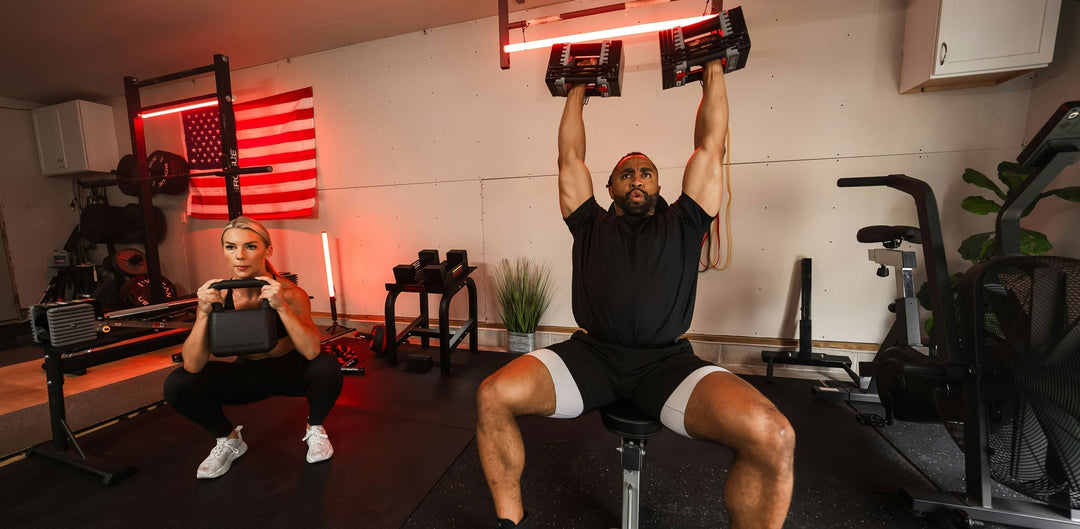






Quick, efficient training doesn’t mean you have to leave strength gains on the table. It does mean that you have the ability to maximize the time that you have for training. Super setting opposite moving muscle groups is one of the best ways to maximize both time constraints and maximizing strengh gains. With this particular workout, we’ll be covering push and pull supersets.
Opposite Movement Super Set
Supersets are a training technique that involves performing two exercises back-to-back with minimal rest. By pairing opposing muscle groups, you can maximize efficiency and increase workout density without sacrificing strength gains.
What is a Super Set?
A super set is a simple combination of movements that are performed one after another, prior to taking any rest. Super sets are a great way to maximize time within your workout and add volume to areas you want to grow. One super set example is performing a bench press followed by a lateral raise. This gives you the ability to increase the efficiency with which you perform a general push day.
Why Opposite Moving Super Sets?
As mentioned above, opposite movement super sets are a great way to maximize time while not leaving any gains on the table. Opposite moving super sets are where, rather than performing a complementary movement for a main muscle group, like super setting a bench press and a lateral raise, you’re super setting the opposing muscle group. For example, if you’re performing a bench press, you’d superset a row.
The Workout
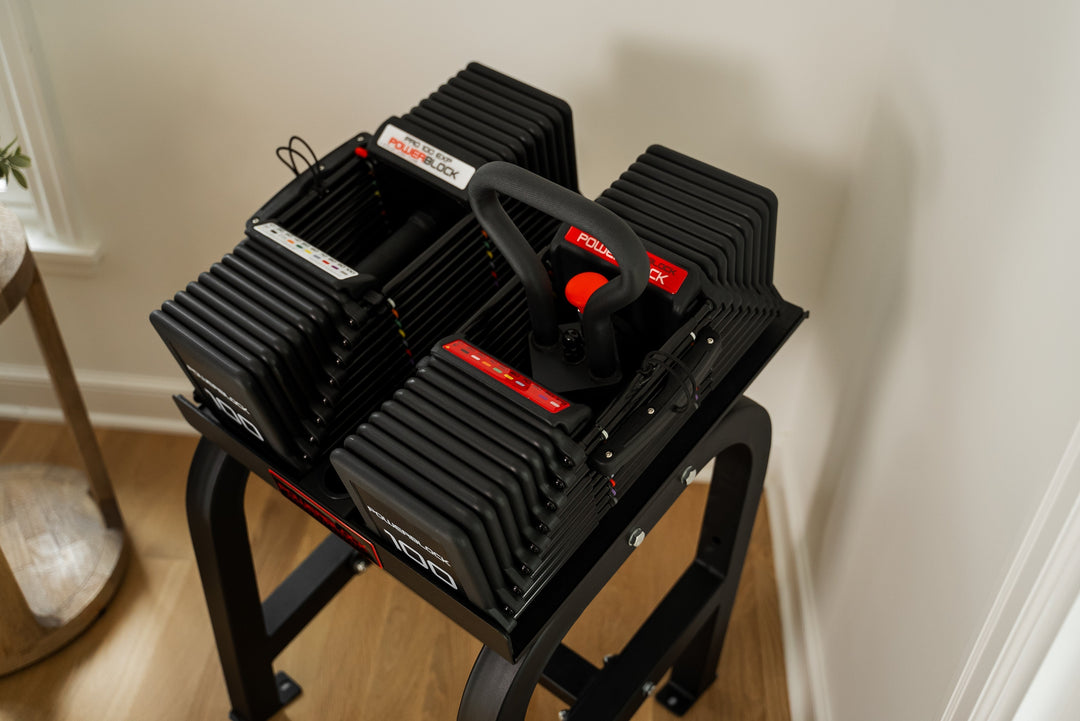
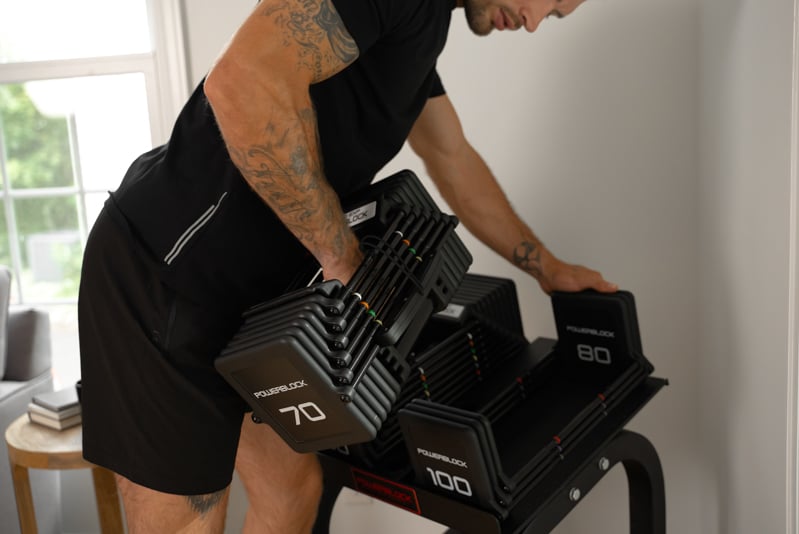
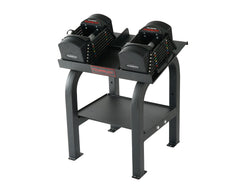
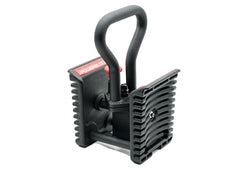
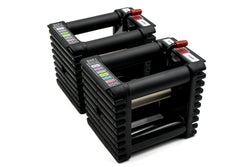
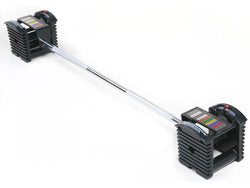
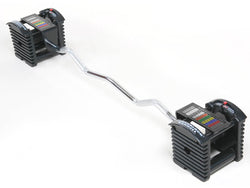
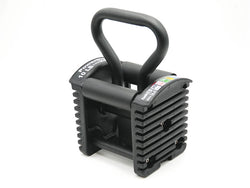
For this workout, all you’ll need is your set of PowerBlock Adjustable Dumbbells and a bench like the PowerBench 2.0, if you have one. We’ll be performing 6 total supersets, including the warm-up.
Warm Up
Your warm-up will consist of chest flies and reverse flies. And of course, we’ll be super setting them.
Chest Flies
The chest fly is an isolation movement that is excellent for warming up, as it activates the chest muscles and shoulder joint to prepare them for heavier lifting. This deep stretch helps improve posture and alleviate muscle tightness before you start your workout, which is key to preventing injury.
How to Properly Perform the Chest Fly
-
Lie back on a flat bench with a dumbbell in each hand.
-
Extend the dumbbells straight above your chest.
-
Slowly lower the dumbbells to your sides in an arc while keeping the arms straight.
-
Reverse this arc motion to press the weights upwards.

Reverse Flies
The reverse fly is a great isolation movement for the rear deltoids and upper back, which helps activate and warm up the shoulder joint and surrounding stabilizer muscles. This activation is critical for preparing your body for heavy pulling movements and helps prevent shoulder injuries.
How to Properly Perform the Reverse Fly
-
Lean against an inclined bench with a dumbbell in each hand, resting your chest on the bench pad.
-
Let the dumbbells hang below your chest with your palms facing each other or towards you.
-
Keeping a slight bend in your elbows, lift the dumbbells up and out to the sides in an arc until they are parallel to your shoulders.
-
Squeeze your shoulder blades together at the peak of the movement, then slowly lower the dumbbells back down.

Working Movements
Your working movements will consist of a bench press supersetted with a bent over row, an incline press supersetted with a wide grip row, and a shoulder press supersetted with an upright row, a lateral raise supersetted with a reverse fly, and a biceps curl super setted with a triceps extension.
Dumbbell Bench Press Supersetted with Dumbbell Bent Over Row
Dumbbell Bench Press (Push)
The Dumbbell Flat Bench Press is a compound movement perfect for building size and strength in the chest while improving shoulder stabilization. Using dumbbells allows for a greater range of motion, ensuring a full stretch and contraction of the chest muscles.
How to Properly Perform the Dumbbell Bench Press
-
Lie back on a flat bench with a dumbbell in each hand, palms facing forward. Keep your feet planted on the floor, core engaged, and shoulder blades slightly retracted.
-
Push the dumbbells straight up until your arms are fully extended, avoiding locking your elbows forcefully.
-
Slowly lower the dumbbells back down to chest level, keeping your elbows at roughly a 45-degree angle from your torso.

Dumbbell Bent Over Row (Pull)
The Dumbbell Bent Over Row activates the entire back, leading to a wider, stronger back. This pulling movement is beneficial, especially after pressing, as it helps open the chest and counteracts the tendency for the shoulders to round forward.
How to Properly Perform the Dumbbell Bent-Over Row
-
Stand with your feet hip-width apart and a dumbbell in each hand. Hinge at the hips, keeping your back flat and core tight.
-
Let the weights hang straight down with your arms fully extended.
-
Pull the dumbbells up toward your sides by driving your elbows back. Squeeze your shoulder blades together as you lift.
-
Slowly extend your arms back to the starting position without rounding your back.

Dumbbell Incline Press Supersetted with Dumbbell Wide Grip Row
Dumbbell Incline Press (Push)
Performing a press on an incline targets the clavicular head, or upper portion, of the Pec Major. Set your bench to approximately a 45-degree angle to maximize activation of the upper chest.
How to Properly Perform the Dumbbell Incline Press
-
Set your bench to a 45-degree incline and sit back with a dumbbell in each hand, resting them on your thighs. Use your legs to assist in bringing the weights to your shoulders.
-
Start with the dumbbells at your shoulders, palms facing forward. Keep your back pressed against the bench.
-
Press the dumbbells upwards until your arms are straight, with your hands finishing just above your head.
-
Lower the weights slowly back to the starting position, maintaining control.

Dumbbell Wide Grip Row (Pull)
This row variation helps develop the mid and upper back by changing the angle of your upper arm relative to your torso. Allowing your elbows to flare out at a 45 and 90-degree angle puts a greater emphasis on the upper back muscles.
How to Properly Perform the Dumbbell Wide Grip Row
-
Stand with a dumbbell in each hand and hinge forward at your hips, keeping your back flat.
-
This can also be done by lying on the bench chest down, using the same angle used for the incline bench press.
-
Pull the dumbbells toward your sides, focusing on driving your elbows up and out away from your body.
-
Squeeze your shoulder blades together at the top of the movement.
-
Lower the dumbbells with control until your arms are fully extended.

Dumbbell Shoulder Press Supersetted with Dumbbell Upright Row
Dumbbell Shoulder Press (Push)
The Shoulder Press (or Overhead Press) is a phenomenal movement for building mass in the front deltoids while stabilizing the shoulder joint, which improves power in other pressing movements. This can be performed seated or standing.
How to Properly Perform the Dumbbell Shoulder Press
-
Sit on a sturdy bench with back support and hold a dumbbell in each hand at shoulder height, palms facing forward.
-
Engage your core and keep your back pressed against the bench.
-
Push the dumbbells straight up until your arms are fully extended above your head, avoiding locking your elbows completely.
-
Slowly lower the dumbbells back to shoulder height with control.

Dumbbell Upright Row (Pull)
The Upright Row specifically targets the side portion of your shoulder (lateral deltoid).
How to Properly Perform the Dumbbell Upright Row
-
Stand and hold two dumbbells in front of your thighs with your palms facing you.
-
Pull the dumbbells straight up toward your chest, leading with your elbows and keeping them higher than your wrists.
-
Stop around chest height, then slowly lower the weights back down with control.

Dumbbell Lateral Raise Supersetted with Dumbbell Reverse Fly
Dumbbell Lateral Raise (Push - Isolation)
This movement isolates the side portion of your shoulder (lateral deltoid), which is often underdeveloped compared to the front and rear deltoids worked during presses and rows.
How to Properly Perform the Dumbbell Lateral Raise
-
Stand tall and hold a dumbbell in each hand at your sides, with a slight bend in your elbows.
-
Lift the dumbbells out to the sides to shoulder height, like you're spreading your wings. Keep your arms slightly bent and do not shrug your shoulders.
-
Slowly lower the weights back down with control.

Dumbbell Reverse Fly (Pull - Isolation)
The reverse fly is an isolation movement for the rear deltoids and upper back, helping to activate and warm up the shoulder joint and surrounding stabilizer muscles, which is critical for heavy pulling movements.
How to Properly Perform the Dumbbell Reverse Fly
-
Sit on the end of a flat bench with a dumbbell in each hand and lean forward, resting your chest on your knees or thighs.
-
Let the dumbbells hang below your chest with your palms facing each other.
-
Keeping a slight bend in your elbows, lift the dumbbells up and out to the sides in an arc until they are parallel to your shoulders.
-
Squeeze your shoulder blades together at the peak of the movement, then slowly lower the dumbbells back down.
Dumbbell Biceps Curl Supersetted with Dumbbell Triceps Extension
Dumbbell Skull Crusher (Push - Isolation)
The Dumbbell Skull Crusher is a classic isolation movement that effectively targets all three heads of the triceps, leading to increased size and strength. This exercise involves lying down and lowering the weights toward your head, ensuring maximum triceps engagement and supporting larger pressing movements.
How to Properly Perform the Dumbbell Skull Crusher
-
Lie flat on a bench or floor with a dumbbell in each hand, pressing straight up over your chest.
-
Slowly bend your elbows, lowering the dumbbells toward the sides of your head or forehead. Keep your upper arms stationary.
-
Extend your arms back to the starting position, focusing on squeezing your triceps at the top.

Dumbbell Biceps Curl (Pull - Isolation)
The Biceps Curl is a classic isolation movement that increases the size and strength of your biceps, which aids in stabilizing the arm during pulling movements.
How to Properly Perform the Dumbbell Biceps Curl
-
Stand tall and hold a dumbbell in each hand with your arms at your sides and palms facing forward.
-
Bend your elbows and lift the dumbbells toward your shoulders, keeping your elbows close to your body.
-
Lower the dumbbells back down with control.

For your warm-up, you’ll perform 3 sets of 12-15 reps to warm up the target muscle areas. For our working movements, you’ll perform 3 sets of 8-10 reps.
Here’s the breakdown of the full workout:
|
Sueprset: Warm Up: Keep it Light and Progress to 60% of your working weight. |
Sets |
Reps |
|
Dumbbell Chest Flies SuperSet Dumbbell Reverse Flies |
3 |
12-15 |
|
Sueprset |
Sets |
Reps |
|
Dumbbell Bench Press Superset Dumbbell Bent Over Row |
3 |
8-10 |
|
Dumbbell Incline Press Superset Dumbbell Wide Grip Row |
3 |
8-10 |
|
Dumbbell Shoulder Press Superset Dumbbell Upright Row |
3 |
8-10 |
|
Dumbbell Lateral Raise Superset Dumbbell Reverse Flies |
3 |
8-10 |
|
Dumbbell Skull Crusher Superset Dumbbell Curls |
3 |
8-10 |
Perform this workout once to twice a week, giving yourself 2-3 days of rest before performing again. Your next challenge? Think about how the body moves and how other movements could be combined for other opposite mover supersets in other workouts.